


Branded Merchandise Trends That Earn a Second Look
A tote bag handed out at a San Diego market can outlast the event by years. A cheap giveaway that breaks on the ride home is forgotten before dinner. That difference is shaping the branded merchandise trends worth watching: businesses are choosing products people want to keep, use, and be seen with.
For local businesses, nonprofits, artists, and event teams, merchandise is no longer just an item with a logo. It is a physical extension of your brand. The best choices balance usefulness, design, budget, and the setting where people will receive them.
Branded Merchandise Trends Start With Everyday Utility
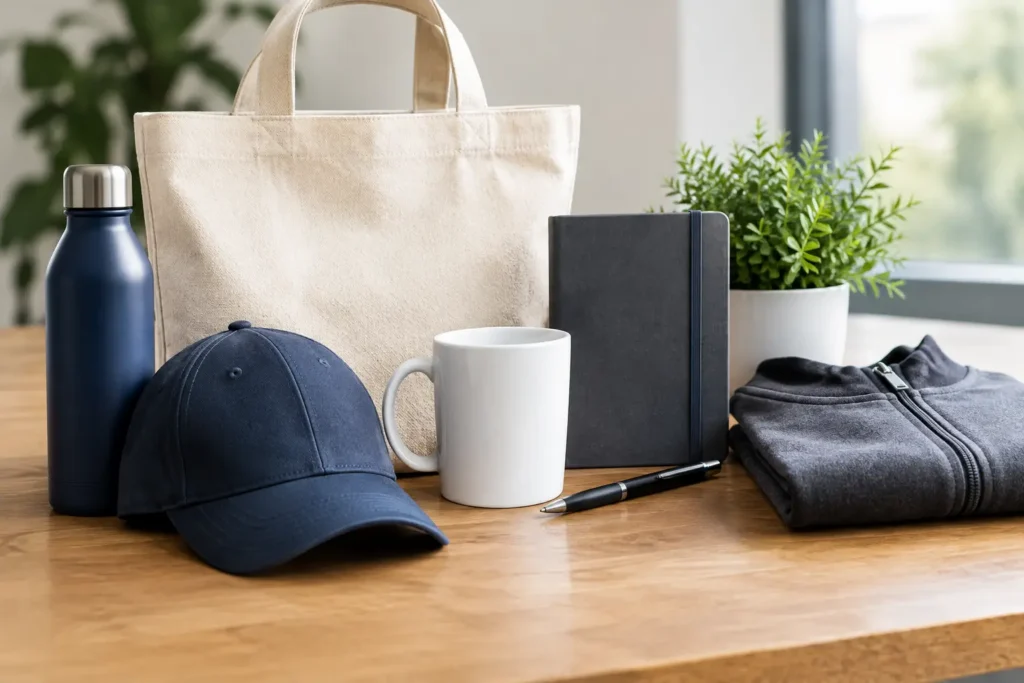
The strongest promotional products solve small, ordinary problems. Think insulated drinkware for the commute, tote bags for groceries and beach days, comfortable shirts for weekend wear, and notebooks that earn a spot on a desk. These items have repeat visibility because they fit naturally into daily routines.
This does not mean every campaign needs premium drinkware or a high-priced jacket. It means the product should make sense for the audience. A fitness studio may get more mileage from a quality water bottle than from a desk accessory. A real estate team might choose a practical home-oriented item, while a creative event can turn a well-designed sticker, poster, or tee into something attendees actively want to collect.
Useful products also make budgets work harder. One item used 50 times creates more brand impressions than 50 items tossed into a drawer. When comparing options, ask a simple question: Would someone choose to use this if the logo were not there? If the answer is yes, your branding has a better chance of staying in view.
Better Apparel Is Replacing One-Size-Fits-All Giveaways
Branded apparel remains one of the most effective ways to build visibility, but expectations are higher. People notice fabric weight, fit, print quality, and whether a design feels like something they would buy for themselves. The trend is moving away from oversized logos across the chest and toward apparel with a clearer point of view.
Small left-chest marks, sleeve prints, tonal embroidery, back graphics, and limited-color designs can feel more intentional than a large, crowded layout. A restaurant can create staff shirts guests ask about. A startup can make event apparel that looks polished in photos. An artist can produce merchandise that supports the work rather than simply carrying a name.
Fabric selection matters, too. Soft ringspun cotton, blended performance materials, and garment-dyed styles can improve perceived value. Still, the right choice depends on the job. A volunteer cleanup day may call for durable, budget-friendly shirts in high-visibility colors. A client appreciation gift may justify a more refined polo, hoodie, or embroidered cap.
The production method should follow the artwork and quantity. Screen printing is often a smart fit for larger runs with bold designs. Digital printing can be practical for detailed artwork or smaller quantities. Embroidery adds texture and durability, especially on hats, polos, and outerwear. Working with a local production team helps you weigh these details before ordering something that looks good on screen but disappoints in hand.
Sustainability Is Becoming More Specific
Eco-friendly merchandise is no longer a vague preference. Buyers increasingly want to know what makes a product a better choice, whether that means recycled material, reusable function, reduced packaging, responsible sourcing, or a longer useful life.
The most credible approach is practical rather than performative. A reusable tote with a simple, durable print may carry more environmental value than a disposable giveaway with a broad green claim. Recycled notebooks, refillable pens, drinkware, and apparel made with recycled or organic content can be strong choices when they align with your budget and audience.
There is a trade-off to consider. Sustainable materials can increase unit cost or extend production timelines, especially for specialty items. For many organizations, ordering fewer, better products is the better move. A well-made item that people keep supports both waste reduction and brand recall.
Small-Batch Merchandise Creates More Energy
Not every merchandise order needs to be a massive run. Small-batch collections are gaining traction because they create a sense of occasion without forcing a business to overcommit inventory. This works especially well for pop-ups, fundraisers, art shows, grand openings, anniversary events, and seasonal promotions.
A limited run gives brands room to be more creative. You can test a new illustration, commemorate a neighborhood event, highlight a local collaboration, or produce a design tied to a specific campaign. If it connects, you have useful insight for the next order. If it does not, you have not filled a storage room with leftover products.
For Southern California businesses, location can be an advantage. A design that reflects a local landmark, coastal culture, community event, or neighborhood personality often feels more personal than generic corporate merchandise. The key is to keep the connection authentic. People can tell when local imagery is meaningful and when it has been added as decoration.
Packaging and Presentation Matter More Than Ever
The product is only part of the experience. A thoughtfully packed employee welcome kit, client gift, or event bundle can make even straightforward merchandise feel more valuable. Pairing a branded notebook with a quality pen, a tee with a sticker sheet, or a mug with a printed card turns separate items into a cohesive brand moment.
Presentation does not have to be elaborate. A clean printed band, custom insert card, presentation folder, or coordinated label can create a finished look while keeping costs in check. This is particularly useful for companies that want to distribute merchandise to new hires, sales prospects, donors, or VIP event guests.
Consistency is what makes a kit feel professional. Use the same color palette, logo treatment, typography, and tone across the merchandise and printed pieces. When all elements work together, recipients understand the brand before they read a single line of copy.
Design Is Becoming More Editorial
The best branded merchandise increasingly looks less like an advertisement and more like a well-designed object. That does not mean hiding your logo completely. It means giving the design space to breathe and creating a visual idea that people enjoy wearing or using.
Editorial-style layouts, custom illustrations, simplified type, vintage-inspired graphics, and subtle color palettes are all appearing more often. These approaches work because they give merchandise its own personality. They are especially effective for hospitality businesses, creative companies, local retail brands, cultural organizations, and events where the audience values design.
At the same time, simple can be powerful. A crisp one-color logo on the right product may outperform an elaborate graphic if your audience expects a clean, professional look. The goal is not to chase every visual trend. It is to choose a design direction that still feels like your business six months from now.
How to Choose the Right Trend for Your Brand
Start with the moment the product will be used. Is it an event handout, a staff uniform, a retail item, a thank-you gift, or a leave-behind for prospects? Then consider who receives it and what would genuinely be useful in their day.
Next, set priorities before reviewing products. If speed is the priority, focus on items available with reliable turnaround times. If longevity matters most, put more budget into quality materials and a durable decoration method. If the campaign is visual, invest in design and request a proof that shows placement, scale, and color clearly.
Ego id Media helps businesses bring those decisions together under one local team, from artwork support and print production to promotional products that match the campaign. That kind of coordination can prevent the common problem of merchandise that feels disconnected from the rest of your marketing.
The product that performs best will not always be the newest or most expensive option. It will be the one that fits your audience, carries your brand with confidence, and earns a place in someone’s real life. Start there, and your next piece of merchandise can keep working long after the event ends.
Leave a reply

Leave a reply